At Picasso Exotic Aquatics, we understand that Axolotls are truly unique pets with very specific needs. We go beyond just selling them; we are dedicated to ensuring every Axolotl finds a healthy, happy, and permanent home. Our experts are here to guide you through everything from the crucial tank cycling process to selecting the right cooling solutions and proper diet. By choosing us, you’re not just getting a pet and supplies—you’re gaining a partner who is committed to the long-term well-being of your new aquatic companion.
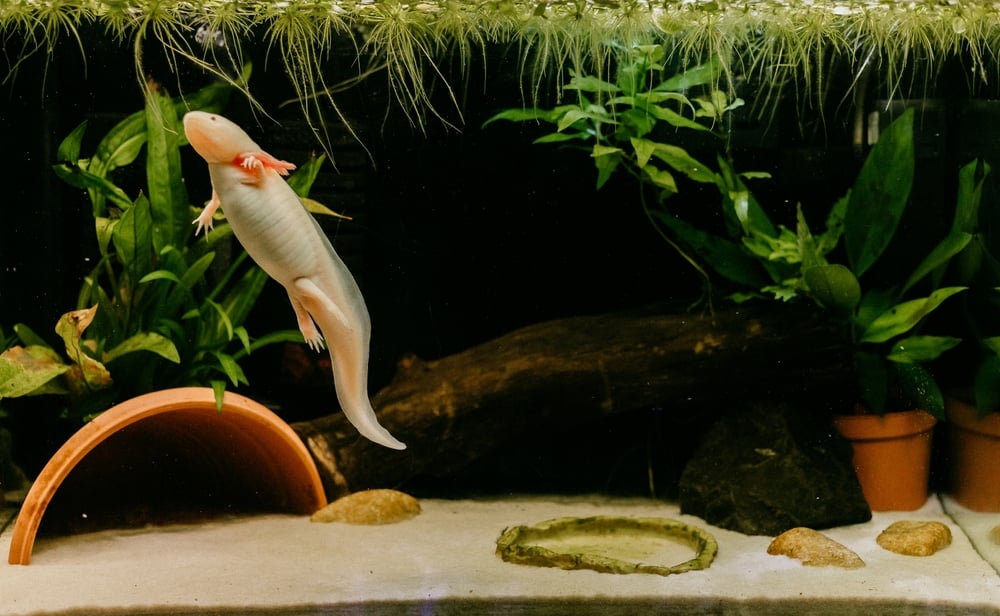
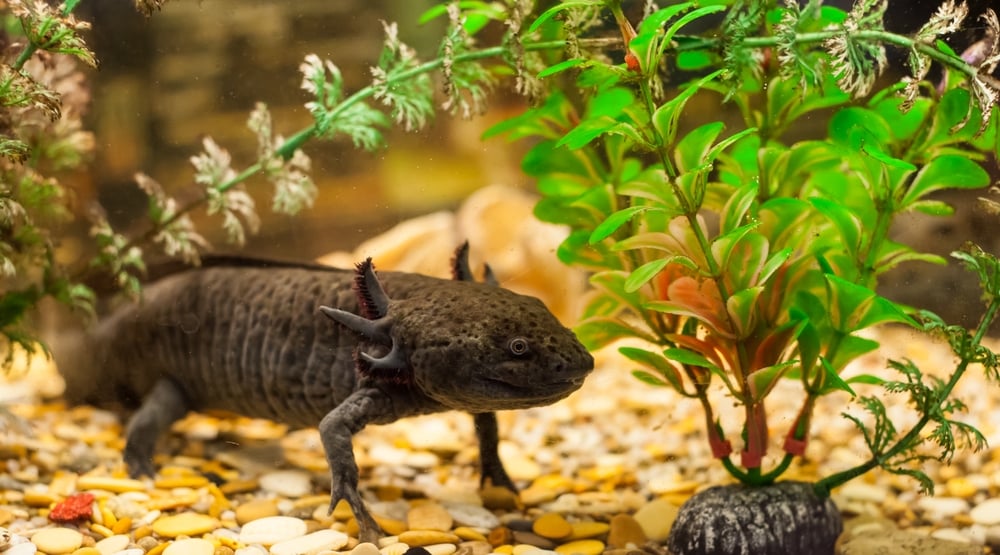
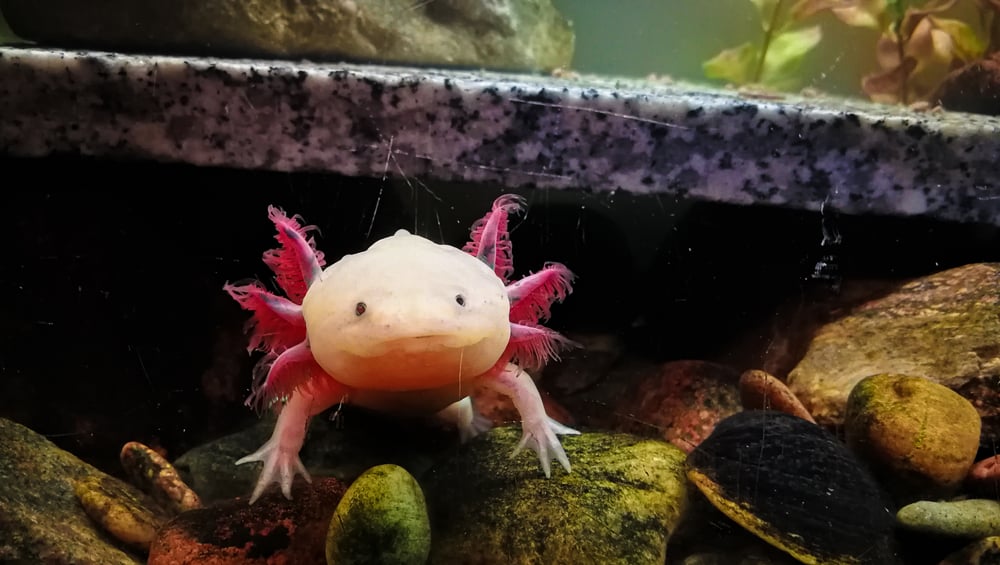
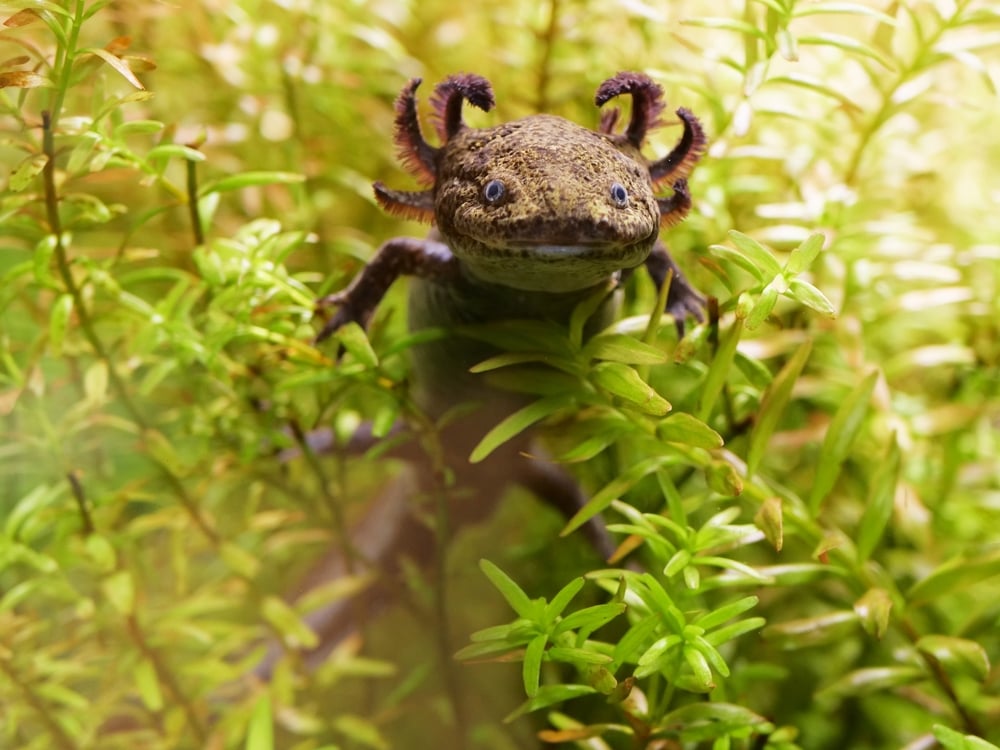
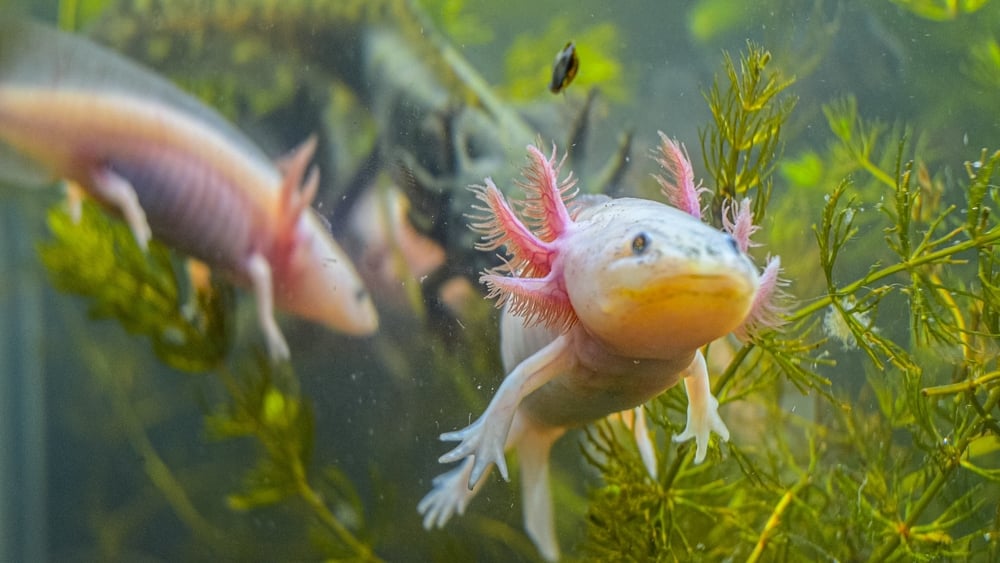
Axolotls (Ambystoma mexicanum) are a type of salamander that remain in their larval stage for their entire lives. This means they keep their feathery external gills and live underwater, unlike most other amphibians that transition to a land-based life. Native to the ancient lakes of Xochimilco and Chalco in Mexico, Axolotls are now critically endangered in the wild, making captive breeding and responsible ownership even more important.
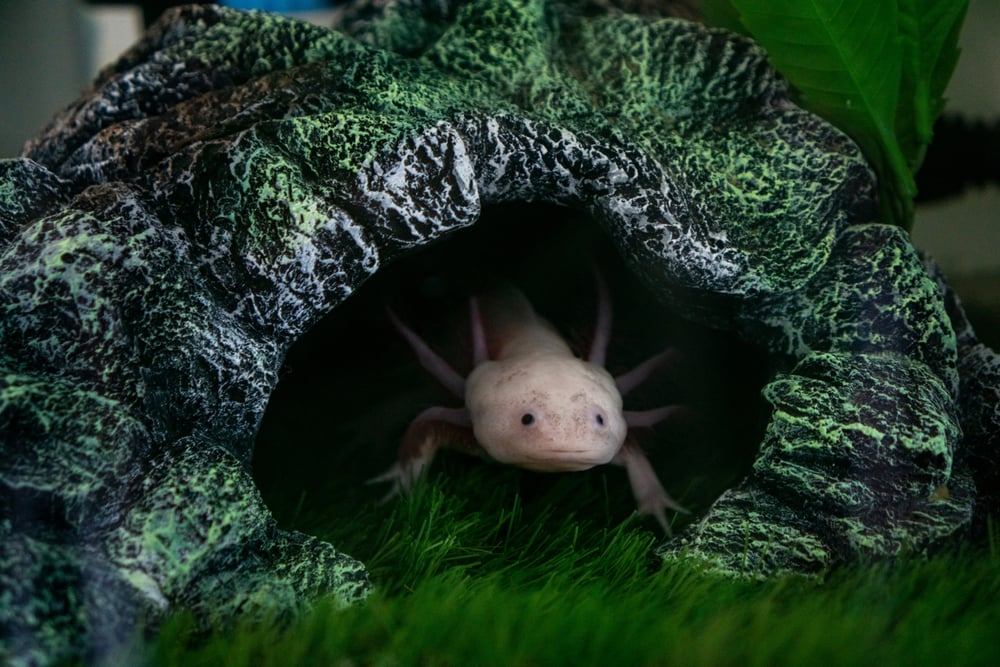
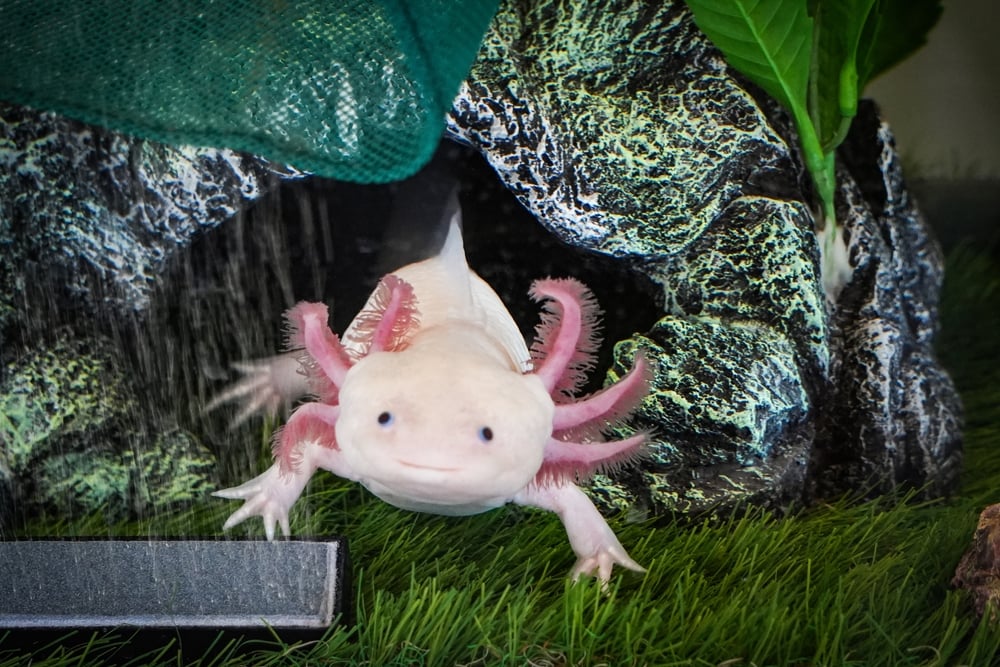
Unique Appearance: Their distinctive look, with a variety of colors from wild-type to leucistic (white with black eyes), makes them a captivating centerpiece for any room.
Low-Maintenance (Once Set Up): While the initial tank setup is crucial, Axolotls are relatively easy to care for on a day-to-day basis.
Long Lifespan: With proper care, Axolotls can live for 10-15 years, becoming a long-term member of your family.
Gentle Temperament: They are known for their calm and peaceful nature, making them a joy to observe.
The Ideal Axolotl Habitat: A Step-by-Step Guide
Creating the right environment is the most important step in Axolotl care. Here’s a breakdown of what you’ll need:
Aquarium Design & Installation
Creating the right environment is the most important step in Axolotl care. Here’s a breakdown of what you’ll need:
Substrate: The safest and most recommended substrate is fine sand (sold specifically for aquariums). Axolotls can accidentally ingest gravel or other large substrates, leading to impaction. Bare-bottom tanks are also a great, easy-to-clean option.
Hiding Spots & Enrichment: Axolotls are shy and love to have places to hide. Provide caves, PVC pipes, and other hideaways.
Plants: Live or silk plants can be used to provide cover and a more natural feel. Ensure live plants are safe for aquatic environments and won't harm your Axolotl.
Water Parameters: The Most Critical Factor
Maintaining the right water conditions is non-negotiable for an Axolotl’s health.
Temperature: This is the most important factor. Axolotls thrive in cool water, ideally between 60°F and 68°F (16°C - 20°C). Temperatures above 70°F can cause stress and illness. You may need a chiller if you live in a warm climate.
pH Level: A pH of 7.0 to 8.0 is ideal.
Ammonia, Nitrite, and Nitrate: You must have a properly cycled tank before introducing your Axolotl. Ammonia and nitrites should always be at 0 ppm. Nitrates should be kept below 20 ppm through regular partial water changes. We highly recommend a quality water testing kit to monitor these levels.
Filtration
A low-flow filter is essential. Axolotls dislike strong currents, so a sponge filter or a hang-on-back filter with a spray bar to diffuse the flow are excellent choices.
Lighting
Axolotls do not need and generally dislike bright light. Keep the tank in a room with natural light but avoid direct sunlight. A low-wattage, dim LED light can be used for viewing but should not be left on for long periods.
Feeding Your Axolotl
Axolotls are carnivores. Here are some of the best food options:
Earthworms: This is the staple of an Axolotl's diet and provides excellent nutrition.
Axolotl Pellets: High-quality, specially formulated pellets are a great option and can be used as a supplement.
Occasional Treats: Bloodworms, blackworms, or frozen thawed shrimp can be offered as a treat.
Common Health Issues & How to Prevent Them
Most Axolotl health problems are directly related to poor water quality. By maintaining the correct temperature and water parameters, you can prevent most issues.
Stress: Often indicated by curled tail tips or gills curled forward. This is usually a sign of incorrect temperature, high ammonia levels, or strong water flow.
Fungus: White, cotton-like growths on the skin or gills. This can often be treated by fixing water quality issues and in some cases, a mild salt bath.
Impaction: Caused by ingesting gravel. This is why a sand or bare-bottom tank is so important.
Frequently Asked Questions: Axolotl
How often do I need to feed my Axolotl?
The feeding frequency depends on your Axolotl’s age. Juveniles (under a year old or less than 7 inches long) should be fed daily, and sometimes even two to three times a day, as they are still growing rapidly. Adult Axolotls (over 7 inches) can be fed every two to three days. A good rule of thumb is to feed them when their belly is flat and not plump. Overfeeding can lead to health issues, so it’s important to find a good rhythm.
Can I keep my Axolotl with other fish or tank mates?
This is a common question, and the answer is generally no. Axolotls are predatory by nature and will try to eat any fish or invertebrate that can fit in their mouth. Fish may also nip at the Axolotl’s delicate gills, causing injury and stress. It is best to keep a single Axolotl in its own tank or house them with other Axolotls of a similar size to prevent nipping and cannibalism.
Do Axolotls need a bubbler or air stone?
Yes, Axolotls do benefit from bubbles and proper aeration. While they have lungs and can breathe air from the surface, they primarily breathe through their external gills. Well-oxygenated water is crucial for their health and helps promote healthy gill filament growth. An air stone or a sponge filter is an excellent way to add oxygen to the water without creating a strong, stressful current.
Can I hold or pet my Axolotl?
Axolotls are observational pets and should not be handled unless absolutely necessary, such as during a tank cleaning or a health check. Their skin is extremely delicate and covered in a protective slime coat. Touching them with human hands, even if clean, can damage this coat and expose them to pathogens or chemicals from your skin. When you must handle them, do so with very wet hands or a fine mesh net, and be as gentle as possible.
Do Axolotls bite, and are they dangerous?
Axolotls can and will “bite” if they mistake your finger for food, but their bites are completely harmless to humans. Their teeth are not sharp and are primarily used for gripping food, not chewing or causing injury. The sensation is more of a light pressure or a tickle. It’s best to use tongs when feeding to avoid any accidental nips.
How can I tell if my Axolotl is a boy or a girl?
It can be difficult to determine the sex of an Axolotl until it reaches maturity, typically around 8-12 months of age. The most reliable way to tell is by looking at the cloaca, the opening located behind their back legs. Males will have a larger, more pronounced, and swollen cloaca, while females will have a smaller, flatter one. Females also tend to have a broader, more rounded body shape.
Why Choose Picasso Exotic Aquatics
"We don’t just sell aquariums. We help you create vibrant, thriving ecosystems you’ll be proud to display."
Expertise and years of experience.
Fully customized solutions.
Dedicated support and maintenance services.
Use of high-quality materials and state-of-the-art equipment.
Our Process
1
Consultation
Initial meeting to understand the client’s vision and space requirements.
2
Design
Custom design plan with detailed mockups.
3
Installation
Professional setup with minimal disruption to operations.
4
Ongoing Maintenance
Comprehensive care for long-term health and beauty.
Testimonials
"I've been a dedicated customer of Picasso Exotic Aquatics for the past three months, and I cannot recommend them enough. Every technician I've encountered has been incredibly knowledgeable and goes above and beyond to ensure my success in the aquascaping hobby."
William Rock
We have been going to Picasso Exotic Aquatics for years. The staff is always friendly and helpful. They have a decent assortment of fresh and salt water fish and equipment. We especially love the quality and selection of fresh water plants. They have the best selection in the city.
Heidi Ensminger
My favorite high tech fish store in kansas 🙂 love my ada 60p. I’ve always done a low tech set up as I didn’t understand how to inject co2. Thank you Johnny for helping me learn to use the regulator I’m having alot of fun with this new toy for my aquascaping 😊